- info@fortunedevelopmentcentre.org
- Toll Free: +263 (026209)2206
- Mon - Fri : 8:00 -1700
POPULAR ATTRACTIONS AND PANORAMA
-
POPULAR ATTRACTIONS AND PANORAMA
Traveling with Fortune Development Centre is truly effortless. We plan, book and organize everything, every single time; a new destination you’ve never even thought of before.
Tourists’ expectations when visiting a particular place are related to several features of the chosen destination: culture, architecture, gastronomy, infrastructure, landscape, events, shopping, etc. These features attract people to the destination and contribute to the overall experience of the trip. The ultimate primary purpose of attractions is to attract the customer’s attention so that they can come to a specific location and explore the various attractions on vacation. In the travel and tourism industry, attractions therefore play a particularly important role as this attracts tourists from all over the world.
There may be many places to visit in Honde Valley, but top of the list are the twin falls at Mutarazi. From the centre of this crater like landscape at the Chikuhwa Residence facing north, one has a clear view of the Mutarazi Falls National Park.
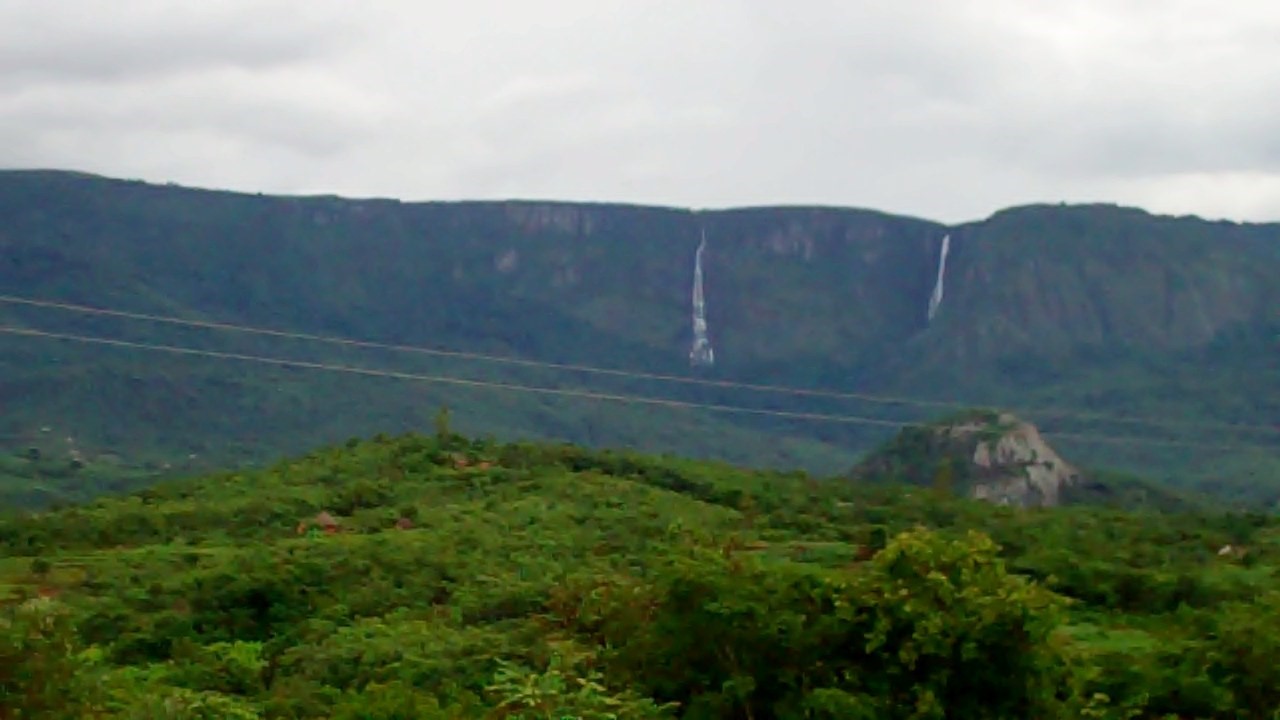
The spectacular falls are made up of Muchururu (left) and Mutarazi (right). The Mutarazi Falls drop some 762 metres into Honde River that, in turn, flows into Pungwe River on its way to the Mozambican coast of the Indian Ocean. The falls are the second highest in Africa with Tugela Falls (948 metres) in Kwqazulu Natal being the highest on the continent.
Sky Walk and Zip Line between the two falls take in the spectacular view of Honde Vlley panorama while walking along the 1.2 metre wide platform a dizzying 762 metres up! A full body harness and overhead safety lines keep you safe as you slide the edge of Sky Walk.
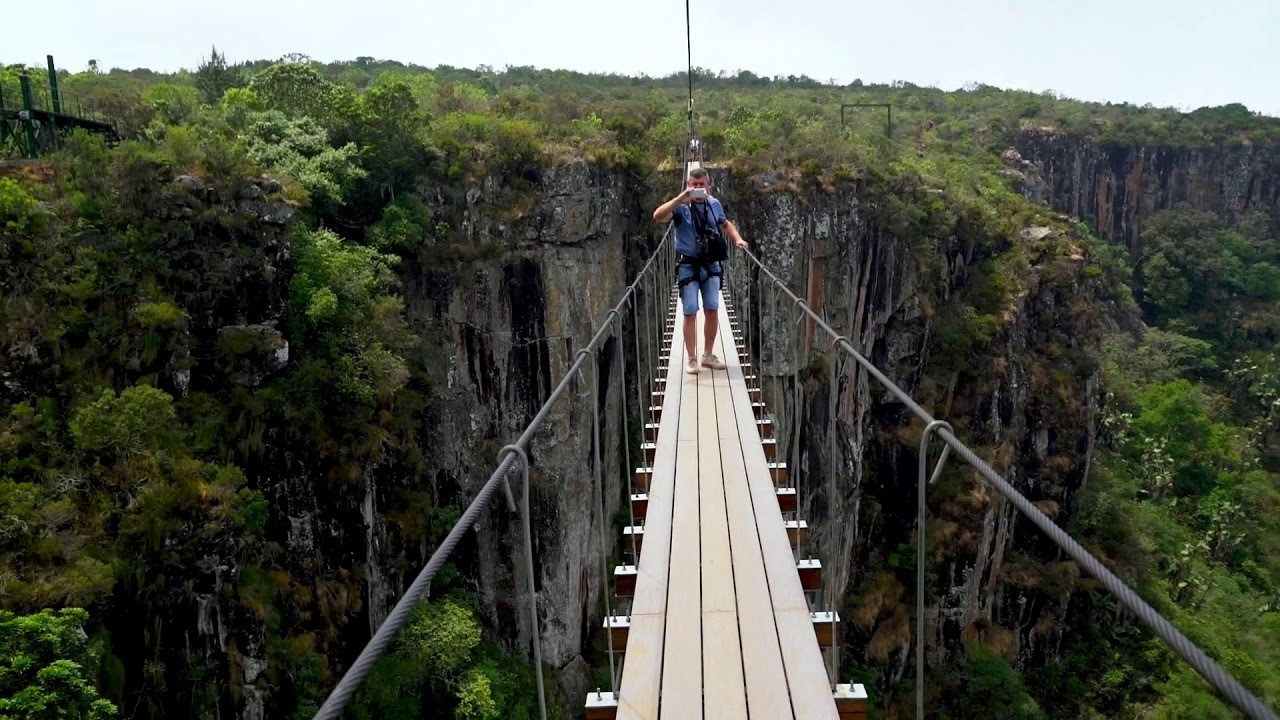
Skywalk adventures are becoming increasingly popular and even more accessible. Unless you’re a serious acrophobic, there’s a certain thrill of being on top of the world, seemingly walking on air. If you are looking to do something a little daring on your next vacation, why not tackle this hair raising skywalk at Mutarazi Falls?
Our Tour of the popular tourist attractions starts after viewing of the Katiro Memorial Centre, the picturesque Mutazi Falls and after enjoying a bit of Zimbabwean cuisine. One cannot fail to shoot the majestic Hwahwazira Mountain looming in the west of the homestead. Like other sacred places in the Eastern District of Zimbabwe, the majestic Hwahwazira Mountain is covered with wreathes and cliffs of natural beauty. It is known that there is a cave overlooking the escarpment. The existence of spirit guardians of the land are the spirits of important persons from the past, normally early members of the chiefly family, called Mhondoro. These spirits are believed to exist in Honde Valley and they are thought to be wandering around ninga or caves (local shrines which are usually burial places of chiefs and kings).
During the 1970s war of liberation when African nationalists took up arms against the racist Rhodesian regime, a protracted battle was fought in Hwahwazira in mid November 1976 between the freedom fighters and the Rhodesian forces. That encounter is said to have lasted from six in the morning to six in the evening. The Mozambican border is long and was easily open for infiltration by the Zimbabwe African National Liberation Army (ZANLA).
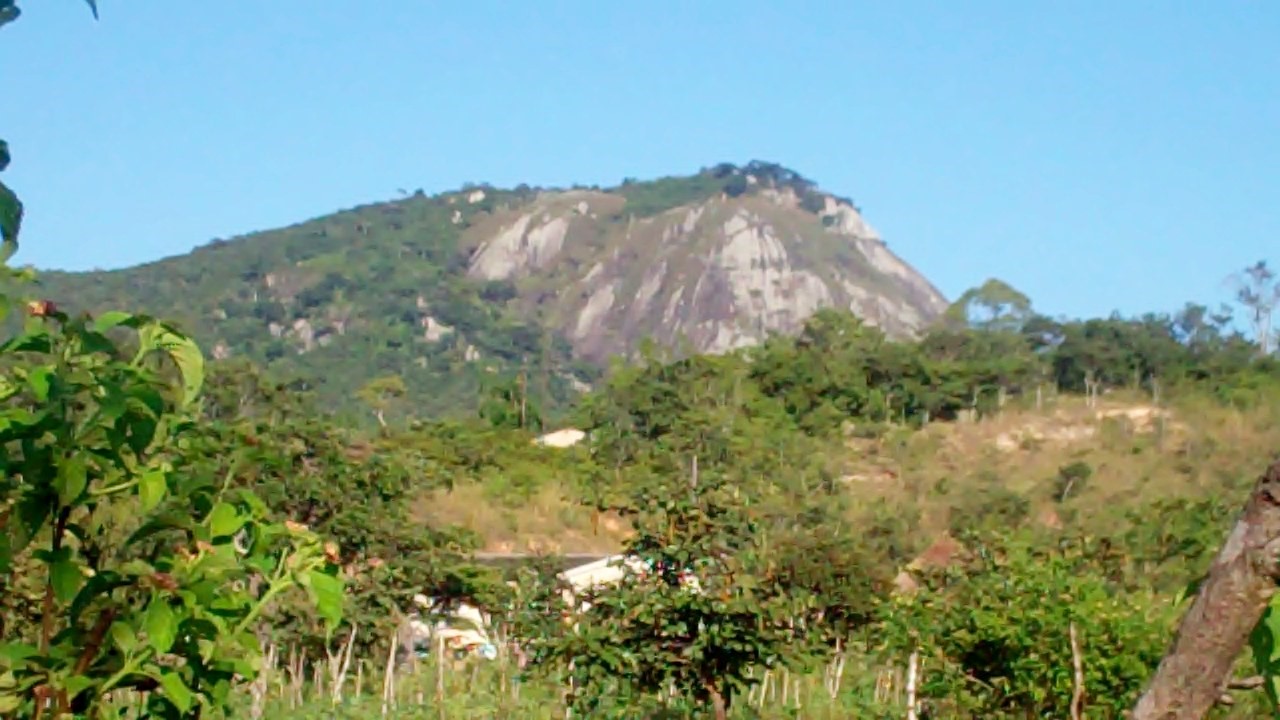
Still standing at the Chikuhwa Residence facing southward, one has a clear view of the Nyakabinga (left) and Ruunji range of mountains.
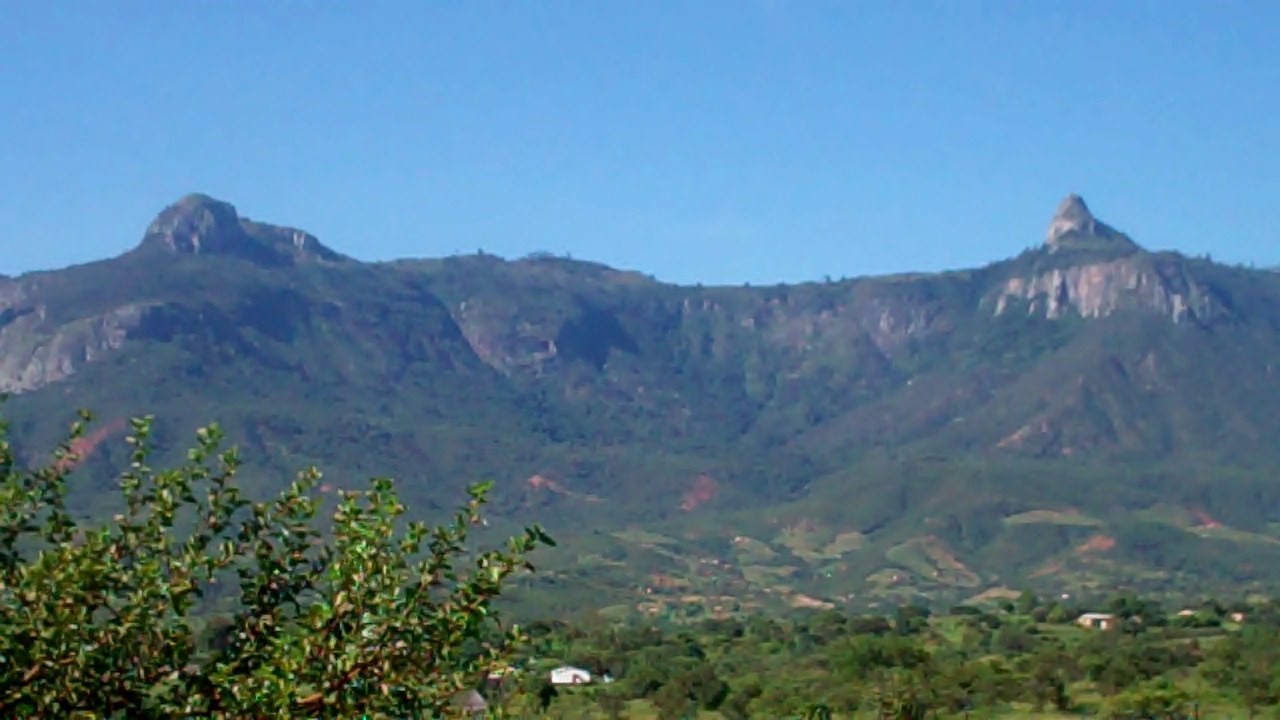
Legend has it that during the Ngoni invasions of the late 1880s [the Madzviti era of the marauding (Zulu) impi)], villagers in the area used to hide in caves in this range of mountains. It’s interesting to note that certain mountains are set aside as being sacred upon which each spirit also has a forest shrine usually by a large mushakata tree where people resident in the domain honour the spirit at an annual ceremony amid libations of millet beer and drinking, singing and dancing. The people ask the spirit guardian to provide all that is necessary for good crops and harangue the spirit over the past failures.
Our route now takes us to Mutsamba Village along Jombe Road. After the Masere Business Centre, we pass through Honde Technical College and through the winding road to Jombe Secondary School and then climb to the hill where the sanctuary is adorned with spectacular balancing rocks. These are geomorphological features of igneous rocks found in many parts of Zimbabwe, and are particularly noteworthy in Matobo National Park, 35 kilometres (22 miles) south of Bulawayo and near the township of Epworth to the southeast of Harare. The formations are of natural occurrence in a perfectly balanced state without other support. Within these balancing rocks, overlooking the Honde River Gorge below, there is a wide diversity of fauna: birds, mammals, snakes and lizards. These unique physical rock formations, magnificent scenery and archaeological and scientific richness, comprise a rich corpus of biodiversity and rock paintings. The increasing popularity of monuments and heritage sites has greatly raised the need for their sustainable management.
The rock paintings at Mutsamba Village
Image of an elephant at Dombo reNzou, Mutsamba Village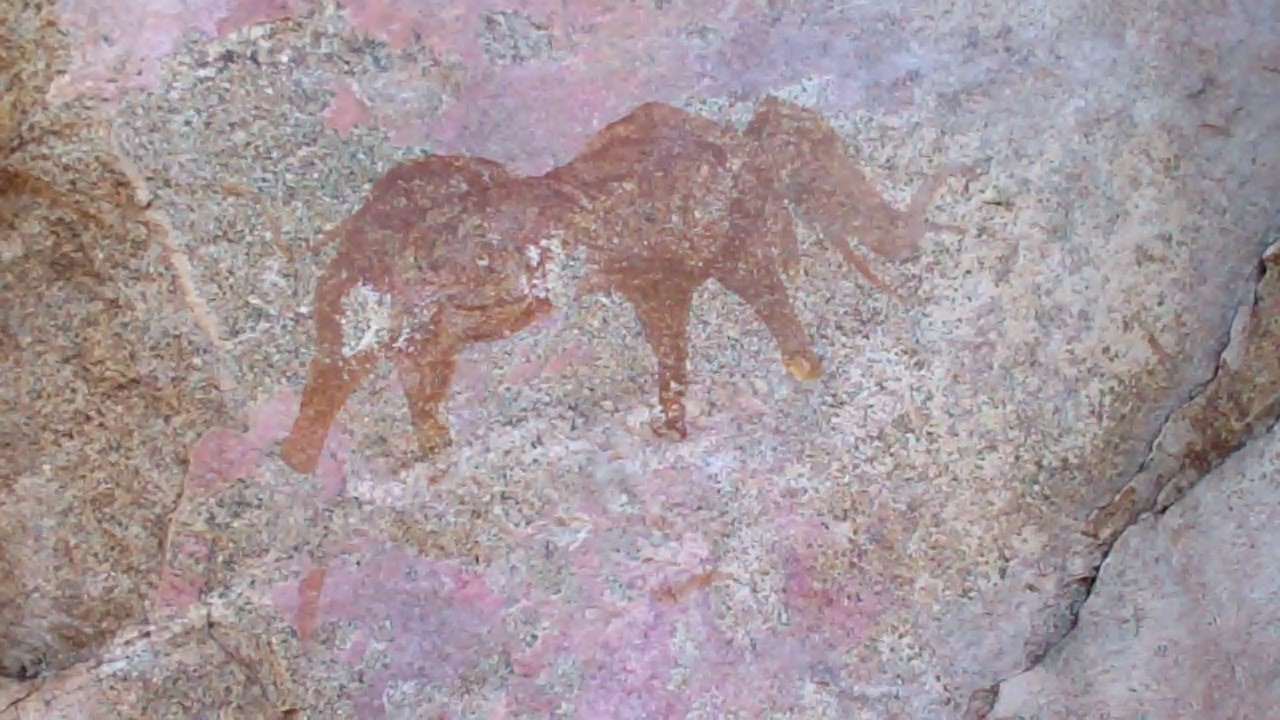
The rock paintings at Mutsamba Village and the biodiversity in the 15 hactre sanctuary are a target for preservation. Discovered in August 2017 by a Fortune DC expedition team, the Mutare National Museum has already been brought in for further analysis of the origin of the rock paintings. In archaeology, rock art is human made markings placed on natural surfaces, typically vertical stone surfaces. A high proportion of surviving historic and prehistoric rock art is found in caves or partly enclosed rock shelters; this type also may be called cave art or parietal art.
A global phenomenon, rock art is found in many culturally diverse regions of the world. It has been produced in many contexts throughout human history. Rock art continues to be of importance to indigenous people in various parts of the world, who view them as both sacred items and significant components of their cultural heritage. Such archaeological sites may become significant sources of cultural tourism and have been used in popular culture for their aesthetic qualities.
Images of hunters and wild animals at Dombo reHari, Mutsamba Village
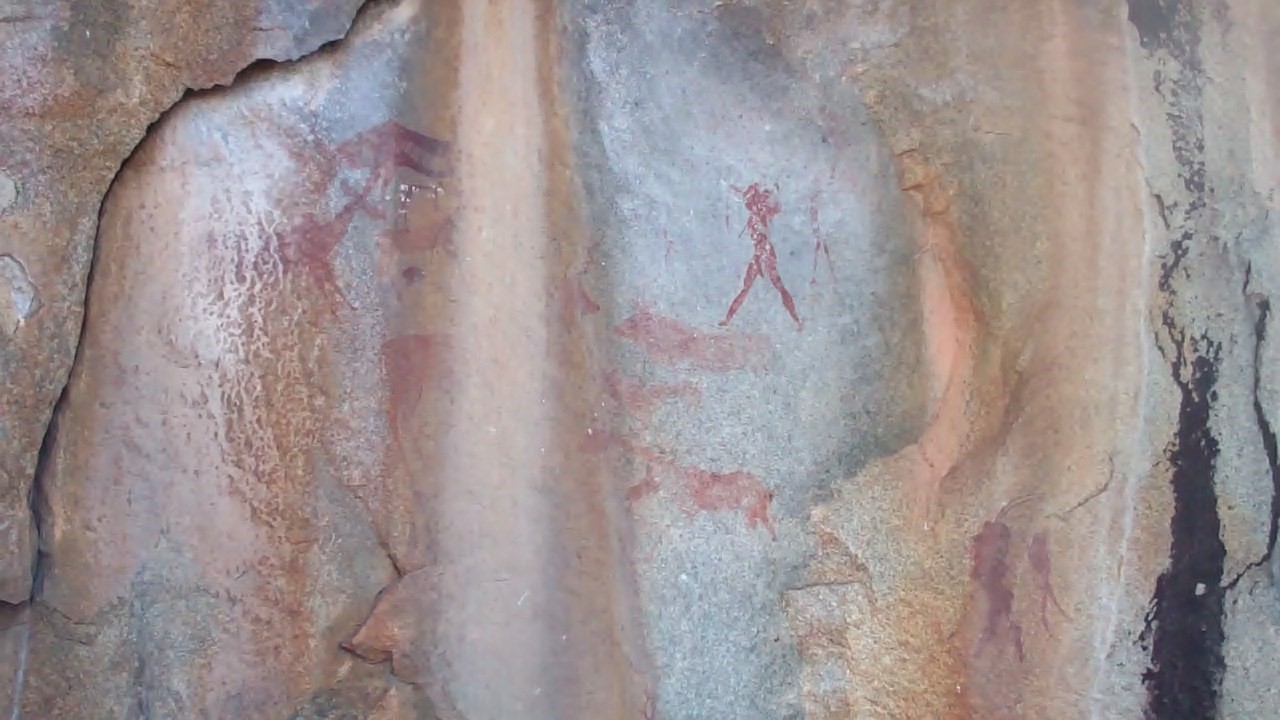
Some scholars suggest that during the Late Stone Age, people accepted and practised basic religious beliefs. For example, they think that rock or cave paintings made by prehistoric hunters had a religious meaning. Perhaps the hunters believed that drawing the animals would help them in the hunt. By 3500 BC people in many parts of the world gradually stopped hunting and gathering food and became farmers.
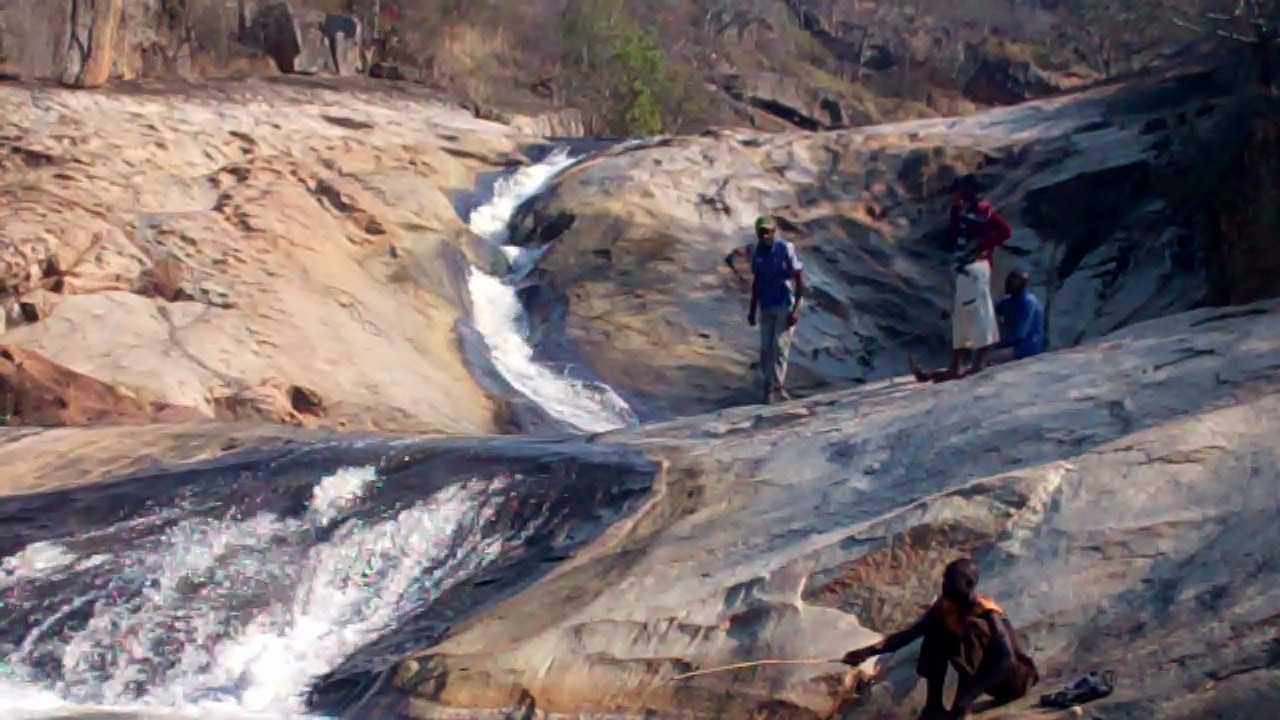
Honde River Gorge
It’s now time to drive back along Jombe Road pass Masere Business Centre onto Honde Bridge and then we turn at Bvuma towards Hauna Growth Point. The Mahwemasimike view we captured earlier from the Chikuhwa Residence is now at close range for a photo. This is an opportunity to provide another view of this marvelous and outstanding landform in Honde Valley. If you look closely from this view, there are similar features of the rock crops but very different in many ways. Locals like to call them Masimike. They remain one of the major landforms which you can view from Hauna Growth Point, Muparutsa and parts of Mandeya.
The Masimike are regarded as one of Honde Valley’s treasured and sacred place. It is rich of great history and tales. A tour of the rock crops gives you a great feel of pre and post colonial history and way of life of those who stay around it. The direction of the pinnacles may also have influenced the location St Columbas High School, a Catholic run boarding school. This is because from the direction of the school one of the rocks appears like a mother carrying a baby. In the Honde Valley, certain hills have been set aside as deeply spiritual. There is a very strong relationship between traditional religious observance, worship and the landscape. Given this, people value their landscape and all have an obligation to protect this heritage. Mahwemasimike is depicted as a spiritual landscape as well as a heritage. To add to this tourist attraction, Fortune Development Centre discovered some rock paintings in the area just adjacent to the rock outcrops as one drives from St Columbas.
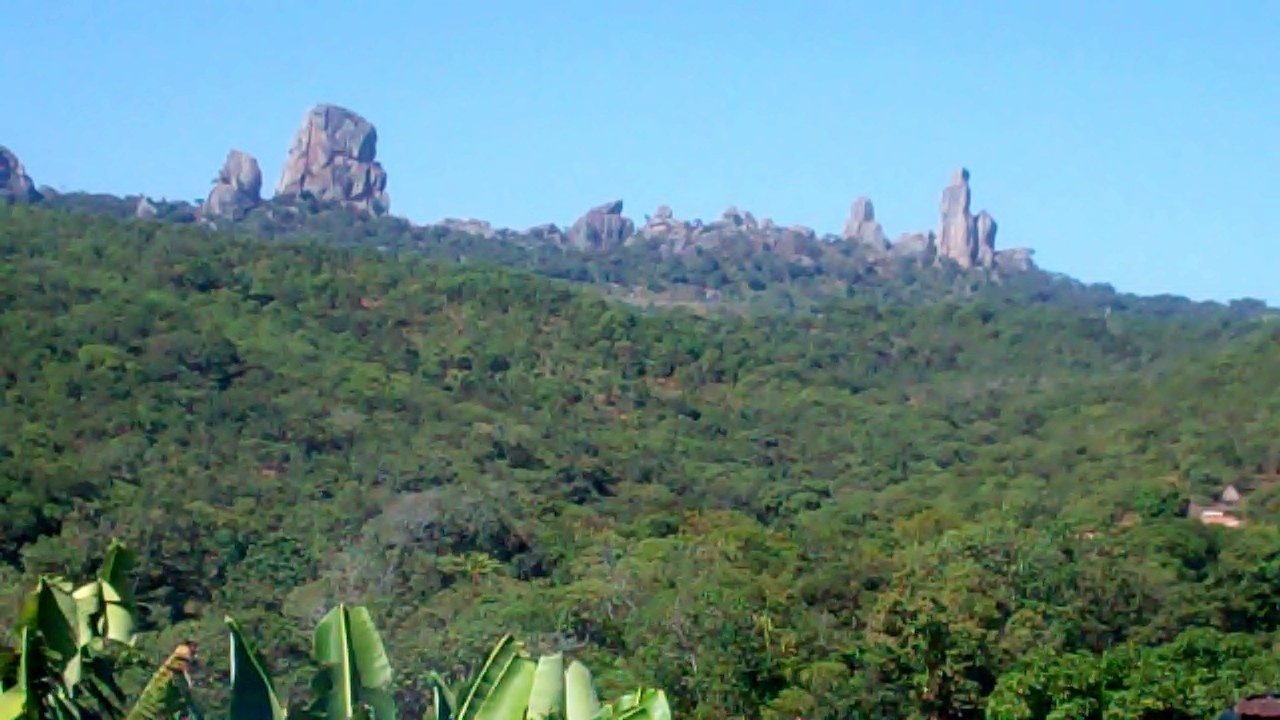
Mahwemasimike (at close range)
Legend has it that a Rozvi King from Masvingo, some 500km in the south, sent an army in the 1770s or there about to come and dig one of these rock outcrops so that it could be carried away to the citadel of Great Zimbabwe to be made into a throne. This was a feat they couldn’t achieve, but left rubble all over the place.
As we drive from Hauna Growth Point to the Katiyo Tea Estates, be prepared for birding More people are watching birds today than ever before; its popularity as a pastime has been growing rapidly over the past few years. Birding’s tremendous ripple effect as a hobby has influenced everything from ecotourism to optics manufacturers. Aberfoyle Lodge is the last stop on the Honde Valley road. You drive until you eventually drop down one final bumpy road through the forest and you are faced with what one can call paradise on earth. The lodge overlooks a small little golf course which is set into hillsides swathed in beautiful indigenous forest. During the rainy season, pockets of mist swirl amongst the trees and there is no shortage of birds. You are right at the border with Mozambique.
Birds are all around us. No matter where you live, there are birds around you. Down here in the Tea Estates, are an assortment of birds: Lanner Falcons, Lesser Spotted Eagles flying low over the tea crops and feeding on termites. Many birds will be easy to see whilst some are elusive or seasonal. Miombo woodlands tend to be quiet in the afternoons so there is the opportunity to sample other habitats for other species. These areas require some walking in hilly terrain but present no difficulty for persons of average fitness.